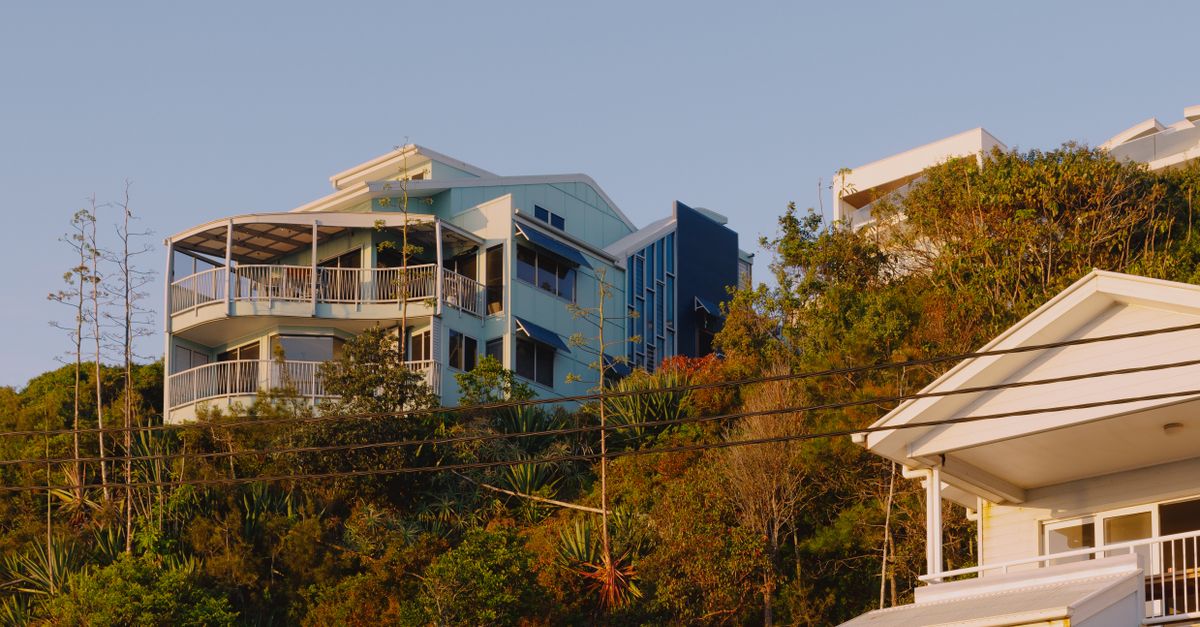
Choosing the Right Materials for Your Custom Home Build
Table Of Contents
Aesthetic Considerations for Material Choices
Choosing the right materials for a custom home can significantly influence its overall aesthetic appeal. Preferences for specific textures, colors, and finishes guide many decisions during the building process. For instance, the warm tones of natural wood can create a cozy atmosphere, while sleek metal accents may offer a more modern, industrial vibe. Ultimately, aligning materials with personal style and desired visual impact contributes to a harmonious living space.
Design inspiration often draws from the surrounding environment and local architecture. Incorporating elements that reflect regional styles can enhance a home's character, ensuring it blends seamlessly into its neighborhood. The careful selection of materials can evoke a sense of place while also addressing practical needs. A well-considered aesthetic approach supports both individuality and communal cohesion in custom home design.
Harmonizing Design with Local Architecture
Local architectural styles reflect the cultural heritage and environmental context of an area. When designing a custom home, it is vital to consider the prevalent styles in the neighborhood. This alignment not only respects the existing visual landscape but can also enhance property value and curb appeal. Incorporating features that echo regional characteristics, such as rooflines, window placements, or material finishes, fosters a sense of unity within the community.
Additionally, the surrounding environment plays a significant role in determining appropriate material choices. Climate and weather patterns influence which materials will perform best over time. Using materials native to the area can provide not only aesthetic harmony but also lower maintenance needs due to their suitability for local conditions. Selected materials should contribute to the home's overall design while ensuring longevity and resilience against the elements typical to the neighborhood.
Durability and Longevity of Materials
The selection of materials plays a pivotal role in the resilience and lifespan of a custom home. Homeowners must consider factors such as local weather patterns and the materials’ performance under various environmental conditions. For instance, masonry and metal elements typically offer superior durability against harsh elements, while wood may require additional treatments to withstand moisture and pests. The interaction between these materials and the intended design also influences long-term integrity, making it essential to align aesthetic choices with practical considerations.
Evaluating the maintenance requirements of different materials is equally important. Some options, like vinyl siding or fiber-cement, often demand less upkeep compared to traditional wood, which may need regular sealing or painting. Understanding the lifecycle cost associated with each material not only aids in budgeting but can also provide insight into future repair or replacement needs. When selecting materials, balancing durability with maintenance expectations ensures a sustainable investment in the home’s longevity.
Evaluating Lifespan and Maintenance Needs
When selecting materials for a custom home, it is essential to consider both their expected lifespan and the maintenance they will require over time. Certain materials, like brick or stone, naturally offer greater durability and demand less upkeep. In contrast, wood, while aesthetically pleasing, may require regular treatments to prevent decay and insect damage. Homeowners should weigh their tolerance for maintenance against the beauty and warmth that different materials can provide.
Additionally, evaluating maintenance needs involves understanding the specific climate and environmental conditions in which the home will be situated. Areas prone to moisture may not be suitable for materials susceptible to warp or mold, while harsh sunlight could fade certain finishes. Researching regional practices can aid in making informed decisions. Ultimately, the goal should be to find a balance that aligns with both practical needs and personal style preferences, ensuring longevity and minimal upkeep.
Eco-Friendly Material Alternatives
The demand for sustainable building practices has led many homeowners to explore eco-friendly material alternatives. Bamboo is gaining popularity due to its rapid growth and strength, making it a great substitute for traditional hardwood. Reclaimed wood also offers an attractive option; it not only reduces waste but adds character to a space. Additionally, using natural stone or sustainably-sourced materials can help minimize environmental impact while enhancing the home's aesthetic appeal.
Innovative options such as recycled metal and glass present exciting possibilities for custom home builds. These materials are often durable and reduce the need for new resources, aligning with sustainable building practices. Insulation made from recycled paper or sheep's wool provides energy efficiency and better indoor air quality. The integration of these eco-friendly materials not only supports environmental conservation but also promotes a healthier living environment for homeowners.
Understanding Recycled and Renewable Resources
The rise in environmental awareness has led many homeowners to consider eco-friendly materials for their construction projects. Recycled materials often come from sources like reclaimed wood, recycled metal, and repurposed bricks, reducing the need for virgin resources and minimizing waste. These options not only lower the ecological footprint of a building, but they also add unique character and history to the home. Architects and builders can incorporate these materials creatively, ensuring that each piece serves both a functional and aesthetic purpose.
Renewable resources are another vital component of sustainable building practices. Materials such as bamboo and cork grow back quickly and can be harvested sustainably, making them eco-friendly choices for flooring and cabinetry. Moreover, opting for renewable materials often supports local economies and reduces transportation emissions due to shorter supply chains. When planning a custom home build, selecting these materials can reflect a commitment to sustainability while enhancing the property’s visual appeal and longevity.
FAQS
What are the most important aesthetic considerations when choosing materials for my custom home?
Aesthetic considerations include selecting materials that complement your design vision, harmonizing with local architecture, and ensuring that colors, textures, and finishes create a cohesive look throughout your home.
How can I ensure that my material choices align with local architecture?
Research the architectural styles prevalent in your area and consider materials that are commonly used in those designs. Consulting with local architects or builders can also help you choose materials that enhance the character of your neighborhood.
What factors contribute to the durability and longevity of building materials?
Factors include the material's resistance to weather conditions, wear and tear, maintenance requirements, and its overall lifespan. Choosing high-quality materials designed for your specific climate can significantly enhance durability.
How do I evaluate the lifespan and maintenance needs of different materials?
Investigate the manufacturer's specifications and seek reviews or case studies on the materials. Consider factors such as how often the material needs maintenance, how it holds up to environmental stressors, and whether it requires special care or treatment.
What are some eco-friendly material alternatives I can use for my custom home?
Eco-friendly alternatives include recycled materials like reclaimed wood and recycled metal, as well as renewable resources such as bamboo and cork. Additionally, consider using sustainable materials with low environmental impact, such as rapidly renewable resources or certified green products.
Related Links
The Role of Local Builders in Custom Home ConstructionTop 10 Features to Consider in a Custom Home in Byron Bay
Maximising Space: Innovative Custom Home Designs in Byron Bay
Understanding the Importance of Site Selection for Custom Homes
Inspiring Custom Home Success Stories from Byron Bay Residents
Cost Breakdown: What to Expect When Custom Building in Byron Bay
Contemporary vs Traditional: Custom Home Styles in Byron Bay
Navigating Planning Regulations for Custom Homes in Byron Bay
Designing Your Dream Home: The Custom Build Process in Byron Bay