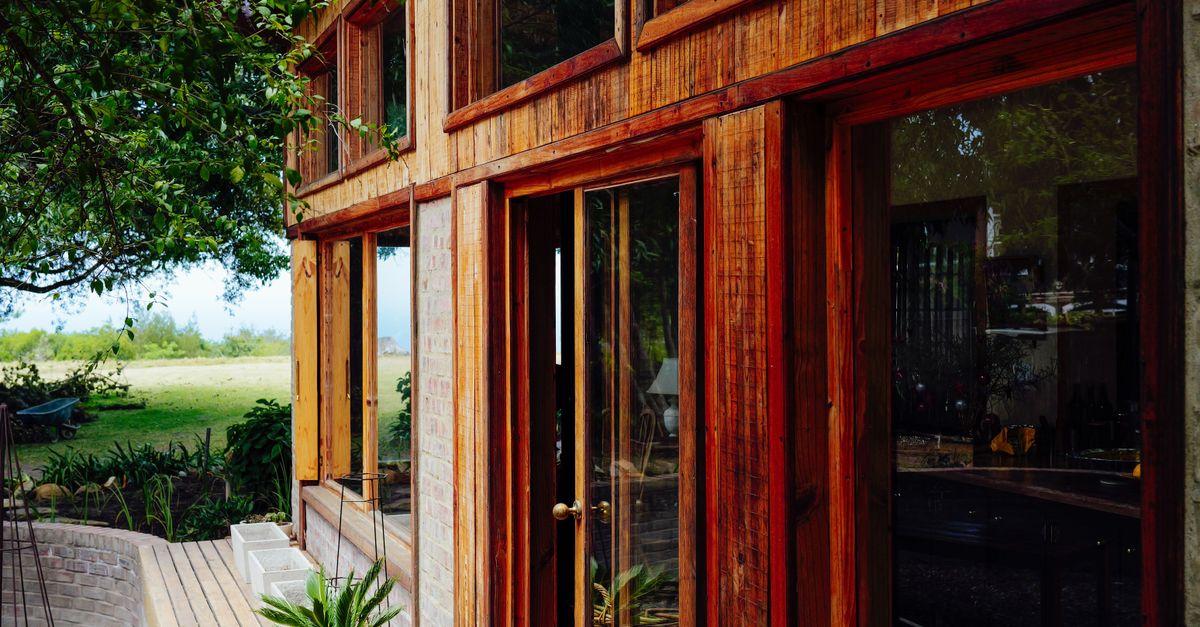
Innovative Recycled Materials for Sustainable Building in Byron Bay
Table Of Contents
Challenges of Using Recycled Materials
The integration of recycled materials into building projects often encounters significant hurdles. One primary concern revolves around the variability in quality. Unlike traditional materials that undergo rigorous quality control, recycled materials can differ widely in structural integrity and performance. These inconsistencies may lead to challenges during the construction process or result in buildings that fail to meet safety and durability standards.
Another challenge lies in the availability and supply chain of recycled materials. Sourcing these materials can be unpredictable, often influenced by market demand and local recycling capacities. Builders may find themselves facing delays or higher costs as they navigate the logistics of procuring and transporting recycled products. This can discourage some developers from fully embracing sustainable practices, despite the long-term benefits of using recycled resources.
Addressing Quality and Supply Issues
Quality concerns often arise when working with recycled materials. Variability in the source of these materials can lead to inconsistencies that builders must navigate. Establishing strict standards for sourcing and processing recycled content can help mitigate these issues. By partnering with reputable suppliers and implementing rigorous testing protocols, the industry can ensure that these materials meet safety and performance specifications.
Supply chain logistics present additional challenges in utilizing recycled materials. The infrastructure for collection, sorting, and processing can be less developed compared to conventional materials, leading to potential shortages. Collaborating with local recycling initiatives and encouraging community participation can enhance the availability of high-quality recycled products. Strengthening these local networks can create a more resilient supply chain, ultimately making sustainable building practices more viable.
How Recycled Materials Contribute to Energy Efficiency
Recycled materials play a significant role in enhancing the energy efficiency of buildings. Materials such as reclaimed wood, recycled steel, and reprocessed glass can help in reducing the amount of energy required for manufacturing new products. The use of these materials often leads to a decrease in greenhouse gas emissions since the energy-intensive manufacturing processes associated with new materials are circumvented. Furthermore, many recycled materials exhibit superior thermal properties, which can help in maintaining optimal indoor temperatures and lowering reliance on heating and cooling systems.
Incorporating recycled materials into building designs can also contribute to improved insulation and energy performance. For example, eco-friendly insulation made from recycled content can reduce heat loss and contribute to lower energy consumption over time. This not only benefits the occupants by minimizing energy bills but also creates a more sustainable environment. By promoting the use of recycled materials in construction, builders can not only meet energy efficiency standards but also encourage a broader commitment to sustainability within the community.
Enhancing Building Performance
Recycled materials can significantly enhance the overall performance of buildings. Structures made with repurposed elements often exhibit improved thermal insulation properties, which can lead to reduced energy consumption for heating and cooling. High-quality recycled materials, like reclaimed wood and recycled concrete, provide durability and strength while minimizing the environmental impact associated with traditional building supplies. Their unique characteristics also allow for creative design solutions that enhance aesthetics without sacrificing performance.
Incorporating recycled materials can contribute to better indoor air quality as well. Many of these materials have lower levels of volatile organic compounds (VOCs) compared to conventional products, thereby reducing the risk of harmful emissions. This aspect improves the health and well-being of occupants and creates a more pleasant living environment. Additionally, the resilience of recycled materials can lead to longer-lasting structures, ensuring that the benefits of sustainability are realized not only immediately but over the building's entire lifecycle.
Community Engagement in Sustainable Building
Engaging the community in sustainable building practices fosters a sense of ownership and responsibility among residents. By involving local individuals in eco-friendly initiatives, developers can cultivate a shared vision for the future. Workshops and informational sessions that educate the public about the benefits of using recycled materials play a vital role. Residents often feel empowered to make informed decisions related to their environment when provided with clear, accessible information.
Collaboration with local organizations can amplify outreach and participation in sustainable practices. By partnering with schools, nonprofits, and community groups, stakeholders can create more inclusive initiatives that reflect the community's values and priorities. This approach not only enhances awareness but also encourages local involvement in the decision-making process. As a result, community-driven projects can flourish, leading to innovative solutions that prioritize sustainability and address the specific needs of Byron Bay.
Involving Local Residents in Eco-Friendly Initiatives
Community involvement is crucial for the success of sustainable building projects in Byron Bay. Local residents bring valuable insights and ideas that can enhance eco-friendly initiatives. Workshops and informational sessions can serve as platforms for sharing knowledge and facilitating discussions about the benefits of using recycled materials. Engaging residents fosters a sense of ownership and pride in local development, making them more likely to support and participate in sustainable practices.
Collaboration between builders and residents can lead to innovative solutions that address both environmental concerns and community needs. Encouraging participation in local decision-making allows for diverse perspectives to be considered. Initiatives can include volunteer days for community members to help with projects or programs where residents can exchange knowledge about sustainable living. These interactions not only strengthen community bonds but also promote a culture of sustainability that extends beyond individual projects.
FAQS
What are some common challenges when using recycled materials in building projects?
Common challenges include quality consistency, supply chain issues, and regulatory compliance, which can affect the overall reliability of recycled materials in construction.
How can the quality and supply issues of recycled materials be addressed?
Quality and supply issues can be mitigated by establishing partnerships with reputable suppliers, implementing rigorous testing and certification processes, and investing in local recycling facilities to ensure a steady supply of high-quality materials.
In what ways do recycled materials contribute to energy efficiency in buildings?
Recycled materials often have lower embodied energy compared to virgin materials, and when used effectively, they can enhance insulation, reduce energy consumption, and improve overall building performance.
How do recycled materials enhance building performance?
Recycled materials can improve durability and resilience, provide better thermal and acoustic insulation, and promote healthier indoor air quality, all of which lead to improved building performance.
What role does community engagement play in sustainable building initiatives?
Community engagement is crucial as it fosters local participation, raises awareness about sustainability, and encourages collaboration in eco-friendly initiatives, ultimately leading to more successful and accepted building projects.
Related Links
Integrating Hempcrete into Modern Building DesignsThe Benefits of Bamboo in Eco-Friendly Construction
Advantages of Using Straw Bale Construction in Residential Projects
The Impact of Local Stone on Eco-Conscious Architecture
Eco-Friendly Paints and Finishes for Sustainable Interiors